







Product Overview
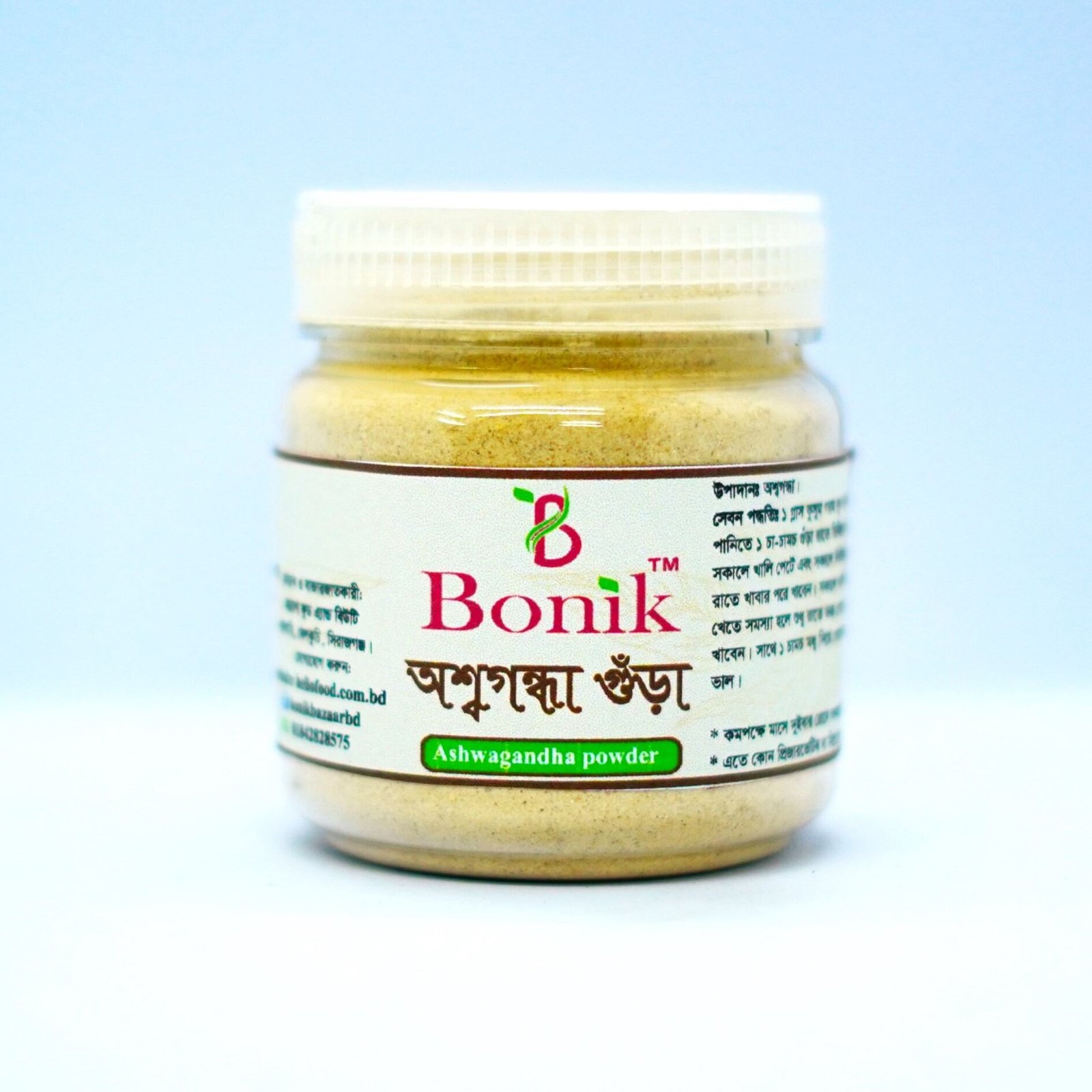
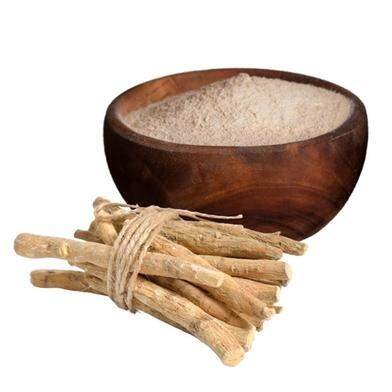
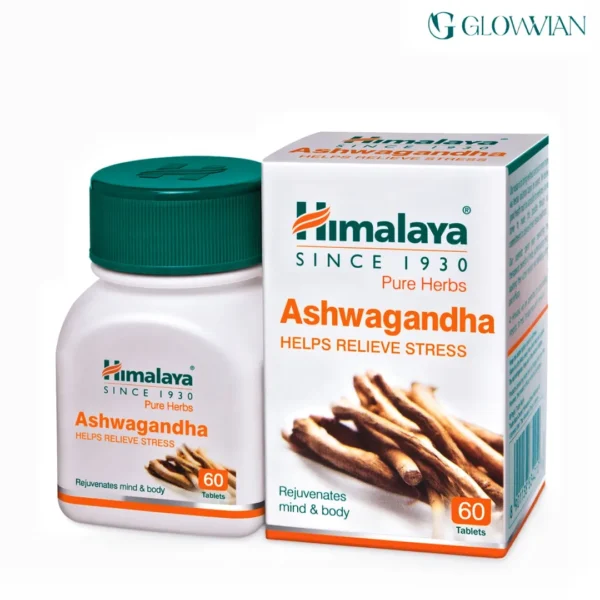
A 100g pack of ashwagandha powder. Ashwagandha (Withania somnifera) is one of the best-known herbs in Ayurveda, traditionally taken as a powder in water or milk.
The listing gives no brand and does not say which part of the plant the powder is made from (root powder is the traditional form). Message us before ordering and we will read the pack to you.
What the Seller Claims, and What Is Actually Known
The listing makes a long list of promises. Here is where each one stands:
- Stress, anxiety and fatigue — the best-supported use. Several small trials report lower stress scores and cortisol levels after 6 to 8 weeks. Modest, real, and not a substitute for care if you have depression or an anxiety disorder.
- Sleep — some trials show a small improvement in sleep quality. Reasonable.
- Memory — early, small studies. Not established.
- Diabetes and blood sugar — not supported. It may lower blood sugar slightly, which is a reason for caution if you take diabetes medicine, not a reason to take it instead of medicine.
- Cholesterol “quickly” — not supported by good evidence.
- Anaemia — no. Anaemia has causes (iron, B12, folate, blood loss) that need a blood test, not a herb.
- Youthful skin — no good evidence.
What the Evidence Actually Says
Herbal supplements sit in an awkward place: some have real, measured effects, many have small ones, and a few have none beyond what people expect from taking them. The marketing rarely distinguishes between the three.
“Natural” does not mean “safe” or “gentle”. Plants make powerful compounds — that is why so many medicines came from them in the first place — and a herb strong enough to have an effect is strong enough to interact with a medicine. Herbal products are also less tightly regulated than medicines, so what is in the bottle varies more between brands than it does for a pharmaceutical.
How to Use
- The seller’s instruction: mix 2 teaspoons of powder in 1 glass of water.
- Take it in the morning before eating and at night after eating.
- Many people prefer it in warm milk — the taste is bitter and earthy.
- Start with less for the first week to see how your stomach takes it.
Ashwagandha can cause drowsiness in some people. Be careful driving until you know how it affects you.
Who Should Not Take It
- Pregnancy and breastfeeding — avoid. Ashwagandha has traditionally been considered unsafe in pregnancy.
- Thyroid conditions — it can raise thyroid hormone levels. Do not take it with thyroid medicine, or with an overactive thyroid, without your doctor.
- Liver — there are rare reports of liver injury linked to ashwagandha. Stop and see a doctor if you develop yellow eyes or skin, dark urine or unusual tiredness.
- Diabetes, blood pressure, sedative or immune-suppressing medicine — it may add to their effects. Ask first.
- Autoimmune conditions, and anyone with surgery coming up.
This Is a Supplement, Not a Medicine
A dietary supplement is a food product. It is not a medicine, it has not been through the testing a medicine goes through, and it does not diagnose, treat, cure or prevent any disease.
Supplement labels use health language — “supports”, “helps maintain”, “promotes” — precisely because they are not permitted to claim treatment. Read them that way. If a listing anywhere promises that a capsule will fix a medical condition, that promise is not one the product can keep.
What a supplement can honestly do is fill a gap in your diet. That is worth something, and it is a smaller thing than most packaging implies.
Talk to a Doctor First
Speak to a doctor or pharmacist before you start, particularly if you:
- take any prescribed medicine — supplements interfere with medicines more often than people expect
- are being treated for a heart, liver, kidney, thyroid or blood condition
- have diabetes
- are pregnant, trying to conceive, or breastfeeding
- have surgery or a dental procedure coming up
Never stop or reduce a prescribed medicine in order to take a supplement instead. That is the single most dangerous thing anyone does with a product like this, and it is what the marketing language quietly invites.
Symptoms Need a Doctor, Not a Capsule
If you have symptoms — pain, a change in how your body is working, something that has been getting worse — the useful thing to do is get it looked at. A supplement bought because a listing named your symptom delays that, and delay is the part that causes harm.
Take this if you and a doctor have decided it is a sensible addition. Do not take it as a way of avoiding the appointment.
Storage
- Keep the pack tightly sealed — herbal powders absorb moisture and clump quickly in Dhaka humidity.
- Use a dry spoon every time.
- Store somewhere cool and dark, out of reach of children.
Frequently Asked Questions
How long before it works?
The trials that found an effect on stress ran 6 to 8 weeks. Give it that long before deciding.
Can I take it for diabetes?
No. Do not use it in place of diabetes medicine, and if you take diabetes medicine, ask your doctor before adding it — it may push blood sugar lower.
Which brand is it?
The seller does not name one. Message us and we will tell you what is printed on the pack.
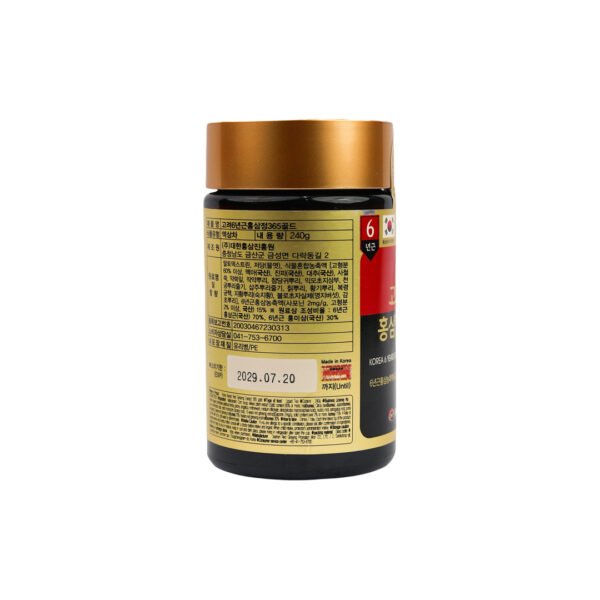
How do I check the pack is in date?
The expiry date is printed on the bottle or the base of the box. Check it as soon as your order arrives. If it is unreadable or close to expiry, message us and we will replace it.











Reviews
There are no reviews yet.