
Product Overview
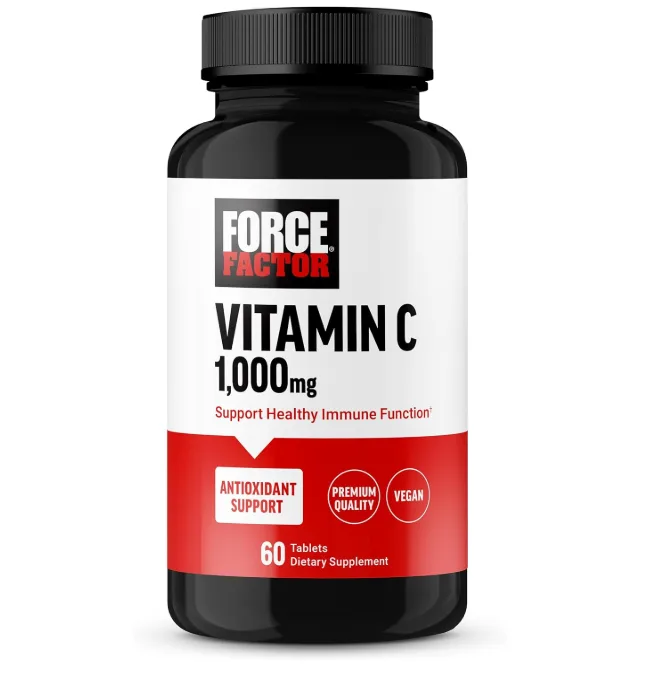
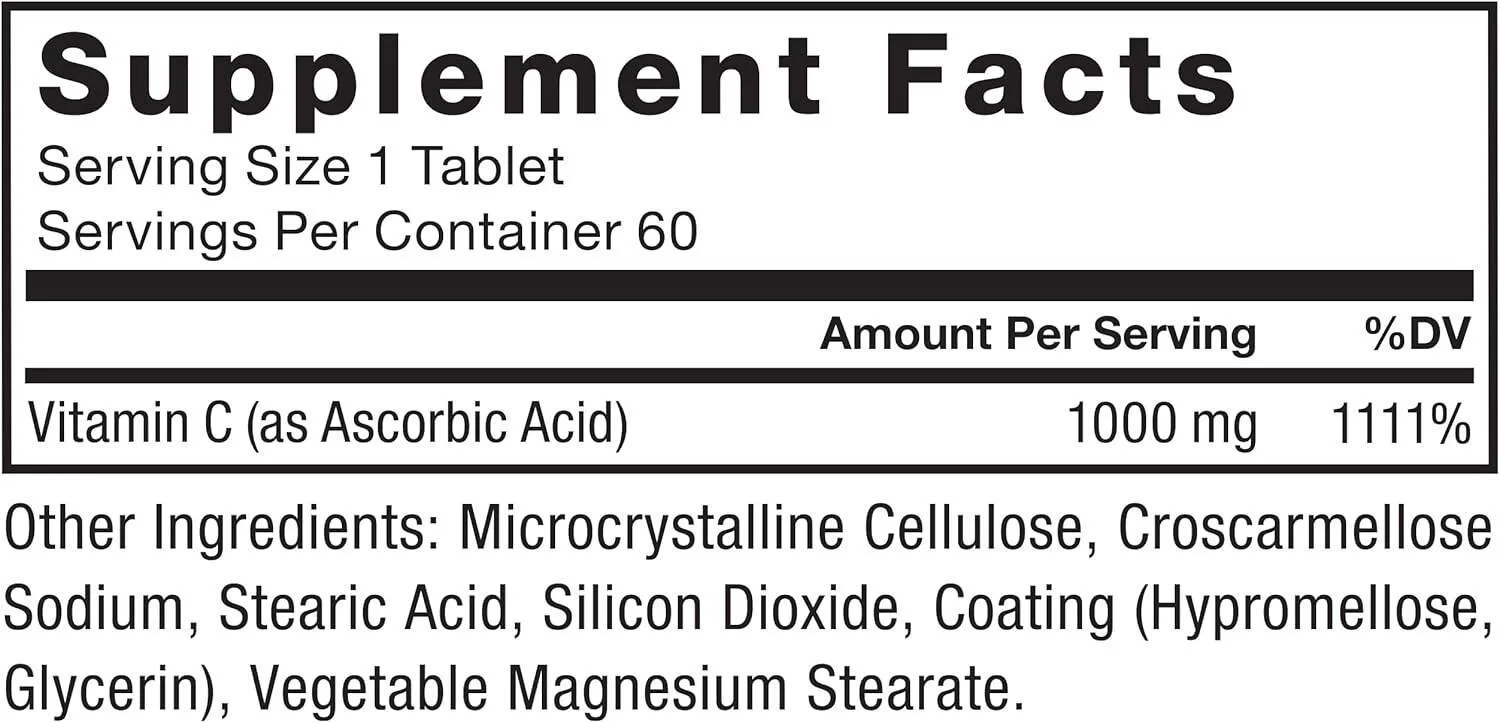
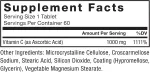
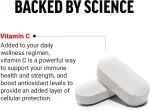
Force Factor Vitamin C gives 1,000mg of vitamin C, as ascorbic acid, in one tablet — 1,111% of the US daily value. The bottle holds 60 tablets (60 servings); at one a day with food it lasts two months. The figures here are from the supplement facts panel in the product photos.
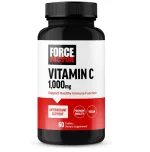
The front label says vegan and “antioxidant support”. The listing describes it as free of artificial colours, artificial flavours and gelatin, and made in the USA in GMP-certified facilities.
Please Note — Parts of the Seller’s Text Describe Other Products
The seller’s description also mentions elderberry, “3 forms of zinc” and a “5000 IU” dose, and says the product helps the body absorb calcium. None of these applies to this bottle: the label lists vitamin C only. Those lines describe other kinds of supplement (elderberry, zinc and vitamin D). This page follows the label.
Key Benefits
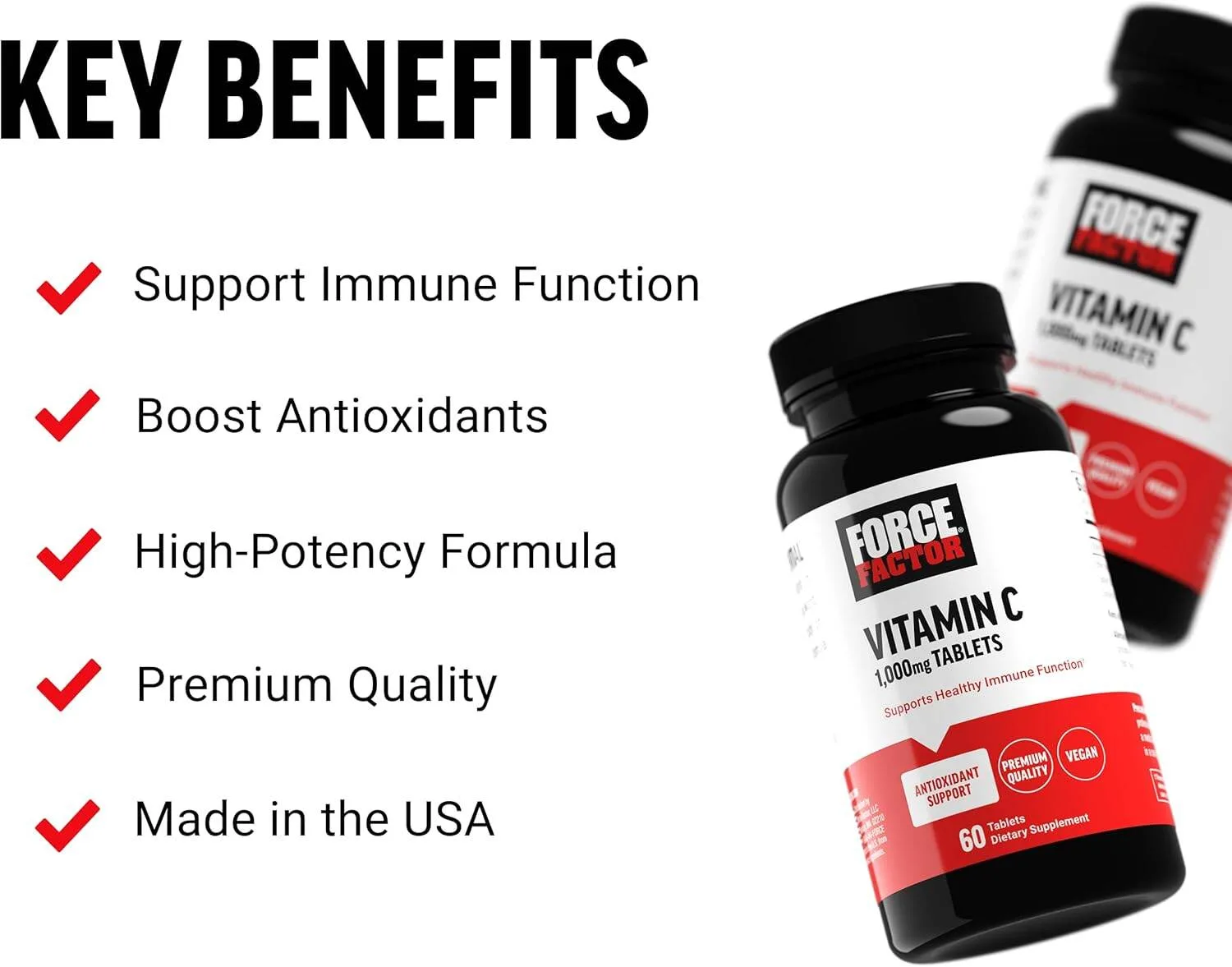
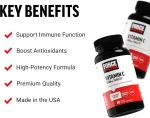
- Normal immune function — vitamin C contributes to the normal function of the immune system. The bottle’s own wording is “supports healthy immune function”.
- Collagen formation — vitamin C is needed by the enzymes that build collagen, in skin, gums, cartilage and blood vessels.
- Iron absorption — it helps the body take up iron from plant foods such as dal and spinach.
- Antioxidant — it helps protect cells from oxidative damage.
What the Listing Claims, and What Is Known
- “Helps fight off colds” — in large reviews, taking vitamin C every day did not reduce how often ordinary adults catch colds. It may shorten a cold slightly. People under heavy physical stress, such as endurance athletes, are the exception.
- “Strengthen immunity” — vitamin C supports normal immune function. Taking more than your body needs does not build a stronger immune system.
- “Neutralize free radicals” — true in the test tube. In the body, extra antioxidants have not been shown to improve health in well-nourished people.
Key Features
- 1,000mg vitamin C (ascorbic acid) per tablet
- 60 coated tablets — one a day
- Vegan (front label); no gelatin, artificial colours or artificial flavours (listing)
- Made in the USA, according to the listing
Ingredients / Specifications
Per tablet (supplement facts panel in the product photos): vitamin C (as ascorbic acid) 1,000mg, 1,111% DV. 60 servings per container.
Other ingredients: microcrystalline cellulose, croscarmellose sodium, stearic acid, silicon dioxide, coating (hypromellose, glycerin), vegetable magnesium stearate.
How to Use
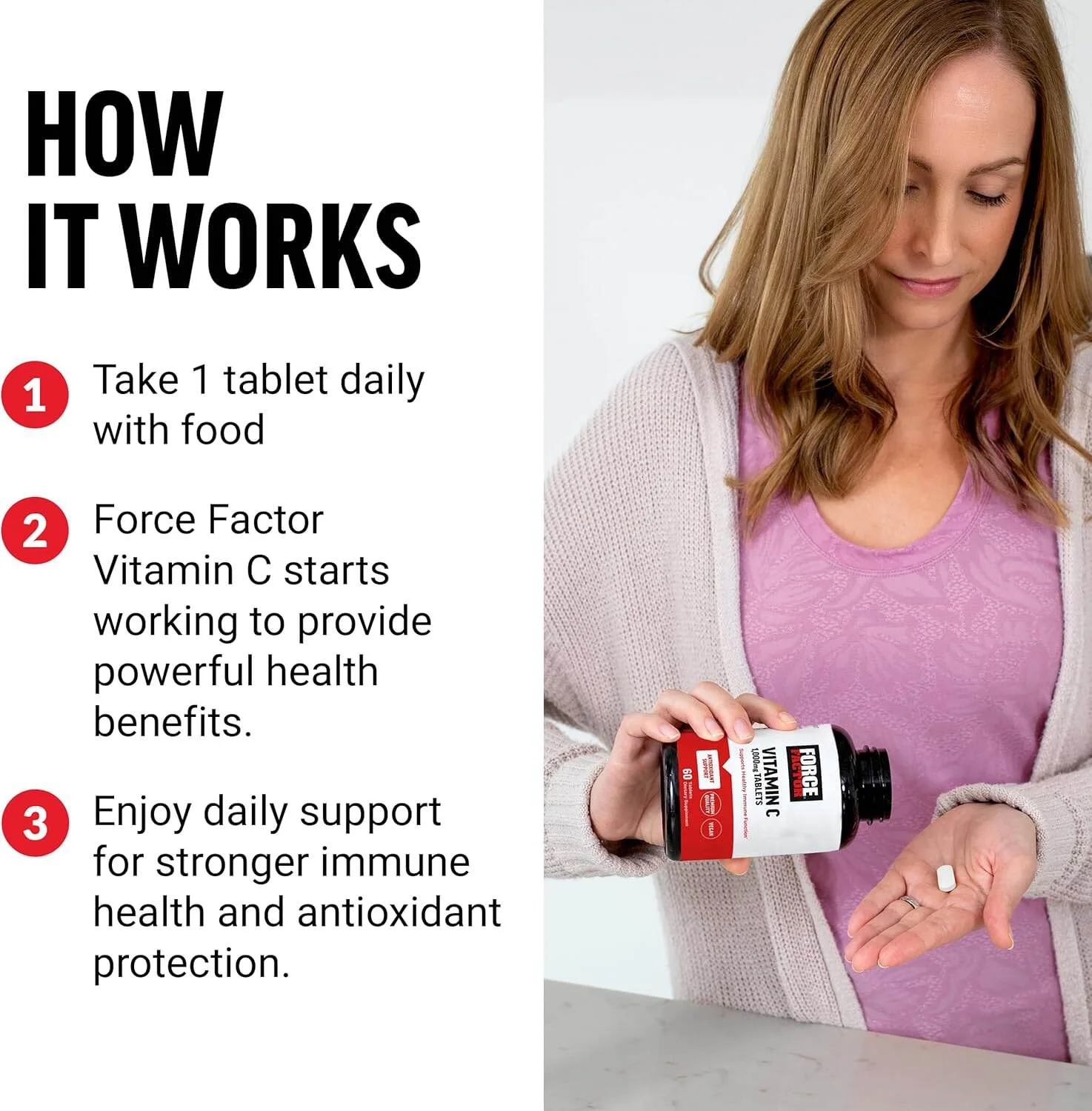
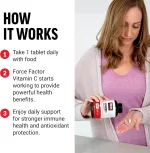
- Take one tablet a day with food, as the maker directs.
- Food makes it gentler on the stomach; plain ascorbic acid can cause heartburn on an empty stomach in some people.
- Add up any other vitamin C you take — the adult upper limit is 2,000mg a day from all sources. Above that, diarrhoea and stomach cramps are common.
Who Is It Suitable For?
Adults whose diet is short of fruit and vegetables, smokers (who use up more vitamin C), and people whose doctor has suggested a higher vitamin C intake. Suitable for vegans.
- Kidney stones or kidney disease: the body turns some vitamin C into oxalate. At 1,000mg a day, ask your doctor first.
- Iron overload (haemochromatosis) or thalassaemia with regular transfusions: extra vitamin C increases iron absorption. Ask your doctor.
- Medical tests: high-dose vitamin C can give false results on some stool blood tests and urine dipstick tests. Tell your doctor you take it.
- Not for children. The dose is for adults.
Why Choose Force Factor Vitamin C?
A single-ingredient, once-a-day vitamin C in a vegan tablet, with a short and clearly printed ingredient list. If you only need everyday amounts, fruit does the job for less — a single guava covers a day’s needs.
Food First
A supplement is a supplement — the name is accurate. It works best filling a genuine gap on top of an ordinary varied diet, not standing in for one.
Whole food gives you the nutrient along with the fibre and the dozens of other compounds that come with it, in amounts your body is built to handle. No capsule reproduces that. Take a supplement because your diet, your blood test or your doctor points to a specific gap — not because the packaging is persuasive.
This Is a Supplement, Not a Medicine
A dietary supplement is a food product. It is not a medicine, it has not been through the testing a medicine goes through, and it does not diagnose, treat, cure or prevent any disease.
Supplement labels use health language — “supports”, “helps maintain”, “promotes” — precisely because they are not permitted to claim treatment. Read them that way. If a listing anywhere promises that a capsule will fix a medical condition, that promise is not one the product can keep.
What a supplement can honestly do is fill a gap in your diet. That is worth something, and it is a smaller thing than most packaging implies.
Talk to a Doctor First
Speak to a doctor or pharmacist before you start, particularly if you:
- take any prescribed medicine — supplements interfere with medicines more often than people expect
- are being treated for a heart, liver, kidney, thyroid or blood condition
- have diabetes
- are pregnant, trying to conceive, or breastfeeding
- have surgery or a dental procedure coming up
Never stop or reduce a prescribed medicine in order to take a supplement instead. That is the single most dangerous thing anyone does with a product like this, and it is what the marketing language quietly invites.
About the Imported Pack
This is an imported product. The label, the dose instructions and the ingredient panel are the ones printed for the market it was made for, and the wording may differ from a locally packaged version.
Follow the dose printed on the pack itself — it is the authority on its own contents — and check the expiry date when it arrives. If anything on the label is unclear, message us before you take it and we will read it to you.
Storage
- Keep the container tightly closed, somewhere cool and dry, out of direct sunlight.
- Do not store it in a bathroom. Heat and humidity break supplements down faster than anything else, and a Dhaka bathroom is the worst place in the house for them.
- Leave the desiccant sachet in the bottle. It is there to keep moisture out, not by mistake.
- Softgels and fish oils are best kept in a fridge in hot weather — they go rancid otherwise.
- Keep it out of reach of children.
- Do not use it after the expiry date, and throw it away if the capsules smell strongly off, have stuck together or changed colour.
Frequently Asked Questions
Is 1,000mg too much?
It is half the 2,000mg adult upper limit, and well above the daily need of about 75-90mg. Most people do not need it; it is a dose to take for a reason.
Does it contain zinc or elderberry?
No. The label lists vitamin C only. The lines about zinc, elderberry and a 5000 IU dose in the seller’s description belong to other products.
Is it vegan?
Yes. The front label says vegan, and the listing says it contains no gelatin.
Can I take it with my other supplements?
Check the labels for anything that appears in both — doubling a dose by accident is easy. If you are on prescribed medicine as well, ask a pharmacist. They do this check quickly and for free.




Reviews
There are no reviews yet.