
Product Overview
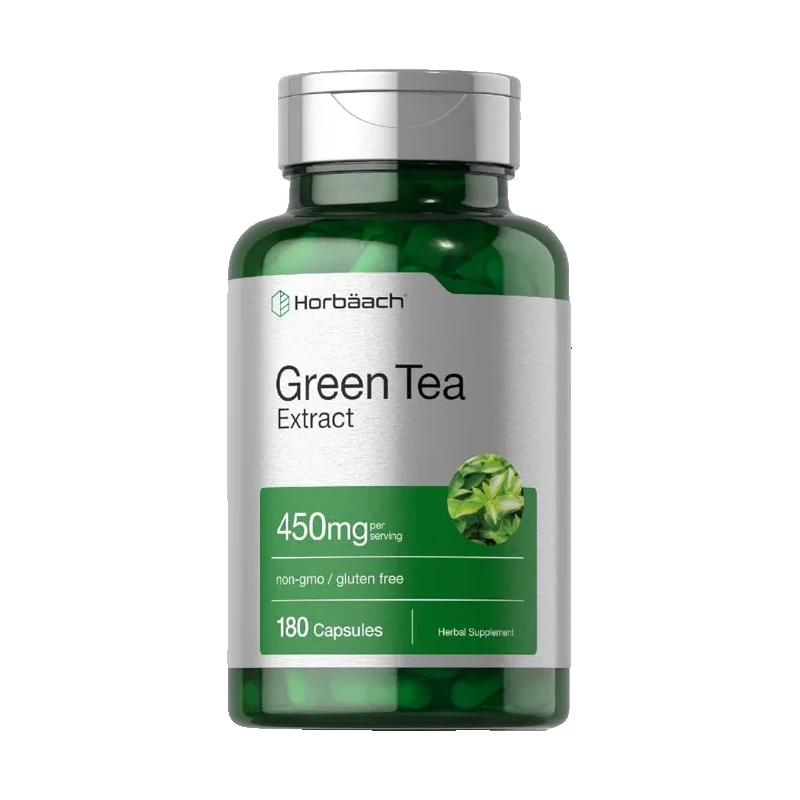
Horbäach Green Tea Extract gives 450mg of green tea leaf extract (Camellia sinensis) per serving of three quick-release capsules, according to the supplement facts panel in the product photos. The extract is standardised to 95% polyphenols, 75% catechins and 45% EGCG — roughly 200mg of EGCG per serving. The bottle holds 180 capsules, 60 servings: two months at the label dose.
The label says each three-capsule serving contains 4mg to 22mg of naturally occurring caffeine — less than a cup of tea.
Read This First — 450mg Is Per Three Capsules
The listing calls this an extra-strength formula. The 450mg is for three capsules, so each capsule holds 150mg. That is a moderate daily amount, not an unusually strong one; what sets it apart is the high EGCG standardisation.
Key Benefits
- Antioxidant catechins — green tea’s polyphenols, chiefly EGCG, have strong antioxidant activity in laboratory studies.
- A measured amount — the standardisation tells you how much EGCG you take, which a cup of tea does not.
- Low caffeine — up to 22mg per serving, a fraction of a cup of coffee.
An honest note: regular green tea drinkers do well in population studies, but that does not prove a capsule gives the same benefit. On weight, green tea catechins show at most a small, inconsistent effect in trials. This is not a slimming product.
Key Features
- 450mg green tea leaf extract per three-capsule serving
- Standardised to 95% polyphenols, 75% catechins, 45% EGCG
- 180 quick-release capsules — 60 servings
- Non-GMO; no gluten, wheat, yeast, milk, lactose, soy, artificial colour, flavour, sweetener or preservatives, as stated on the label
- Packaged and lab tested in the USA
Ingredients / Specifications
Per three-capsule serving (supplement facts panel in the product photos): green tea extract (Camellia sinensis, leaf) 450mg, standardised to contain 95% polyphenols, 75% catechins and 45% EGCG. Naturally occurring caffeine 4-22mg.
Other ingredients: rice powder, gelatin capsule, vegetable magnesium stearate. Not vegetarian, because of the gelatin.
Important — Green Tea Extract and the Liver
Drinking green tea is safe for almost everyone, but concentrated green tea extract supplements have been linked to rare cases of liver injury, more often when taken on an empty stomach or at high doses. European food safety experts found that 800mg of EGCG a day or more raised liver enzyme levels. A serving of this product gives roughly 200mg.
- Take it with a meal, as the label advises — not on an empty stomach.
- Do not exceed three capsules a day, and do not combine it with fat burners or slimming products, which often contain green tea extract too.
- Stop and see a doctor if you notice yellow eyes or skin, dark urine, pain under the right ribs or unusual tiredness. If you have liver disease, do not take it without your doctor.
How to Use
- Adults: take three capsules daily, preferably with a meal, as the label directs.
- Keep it a couple of hours apart from iron tablets — tea catechins reduce iron absorption.
- If you are sensitive to caffeine, take it earlier in the day.
Who Is It Suitable For?
Adults who want a measured daily amount of green tea catechins. The maker advises anyone pregnant, nursing, taking medicine or with a medical condition to consult a doctor first. Green tea catechins can lower the blood levels of some medicines (nadolol, a blood pressure medicine, is a known example), so a pharmacist check is worth it if you take anything regularly. People with iron-deficiency anaemia should ask a doctor first. Not suitable for vegetarians.
Why Choose Horbäach Green Tea Extract?
A highly standardised extract with the EGCG percentage and the caffeine range printed on the label, and a two-month bottle.
What the Evidence Actually Says
Herbal supplements sit in an awkward place: some have real, measured effects, many have small ones, and a few have none beyond what people expect from taking them. The marketing rarely distinguishes between the three.
“Natural” does not mean “safe” or “gentle”. Plants make powerful compounds — that is why so many medicines came from them in the first place — and a herb strong enough to have an effect is strong enough to interact with a medicine. Herbal products are also less tightly regulated than medicines, so what is in the bottle varies more between brands than it does for a pharmaceutical.
This Is a Supplement, Not a Medicine
A dietary supplement is a food product. It is not a medicine, it has not been through the testing a medicine goes through, and it does not diagnose, treat, cure or prevent any disease.
Supplement labels use health language — “supports”, “helps maintain”, “promotes” — precisely because they are not permitted to claim treatment. Read them that way. If a listing anywhere promises that a capsule will fix a medical condition, that promise is not one the product can keep.
What a supplement can honestly do is fill a gap in your diet. That is worth something, and it is a smaller thing than most packaging implies.
Talk to a Doctor First
Speak to a doctor or pharmacist before you start, particularly if you:
- take any prescribed medicine — supplements interfere with medicines more often than people expect
- are being treated for a heart, liver, kidney, thyroid or blood condition
- have diabetes
- are pregnant, trying to conceive, or breastfeeding
- have surgery or a dental procedure coming up
Never stop or reduce a prescribed medicine in order to take a supplement instead. That is the single most dangerous thing anyone does with a product like this, and it is what the marketing language quietly invites.
About the Imported Pack
This is an imported product. The label, the dose instructions and the ingredient panel are the ones printed for the market it was made for, and the wording may differ from a locally packaged version.
Follow the dose printed on the pack itself — it is the authority on its own contents — and check the expiry date when it arrives. If anything on the label is unclear, message us before you take it and we will read it to you.
Storage
- Keep the container tightly closed, somewhere cool and dry, out of direct sunlight.
- Do not store it in a bathroom. Heat and humidity break supplements down faster than anything else, and a Dhaka bathroom is the worst place in the house for them.
- Leave the desiccant sachet in the bottle. It is there to keep moisture out, not by mistake.
- Softgels and fish oils are best kept in a fridge in hot weather — they go rancid otherwise.
- Keep it out of reach of children.
- Do not use it after the expiry date, and throw it away if the capsules smell strongly off, have stuck together or changed colour.
Frequently Asked Questions
How much EGCG is in a serving?
The label gives 45% EGCG in 450mg of extract — about 200mg per three capsules.
Does it contain caffeine?
A little: 4mg to 22mg per three-capsule serving, from the tea leaf itself.
Will it help me lose weight?
Not in any meaningful way. Trials of green tea catechins show a small, inconsistent effect at best.
How do I check the pack is in date?
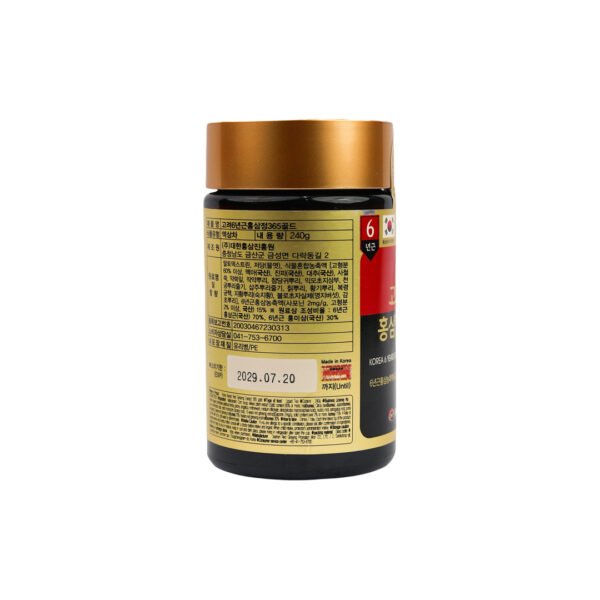
The expiry date is printed on the bottle or the base of the box. Check it as soon as your order arrives. If it is unreadable or close to expiry, message us and we will replace it.














Reviews
There are no reviews yet.